Why Every Utility App Should Think Like a Game Studio
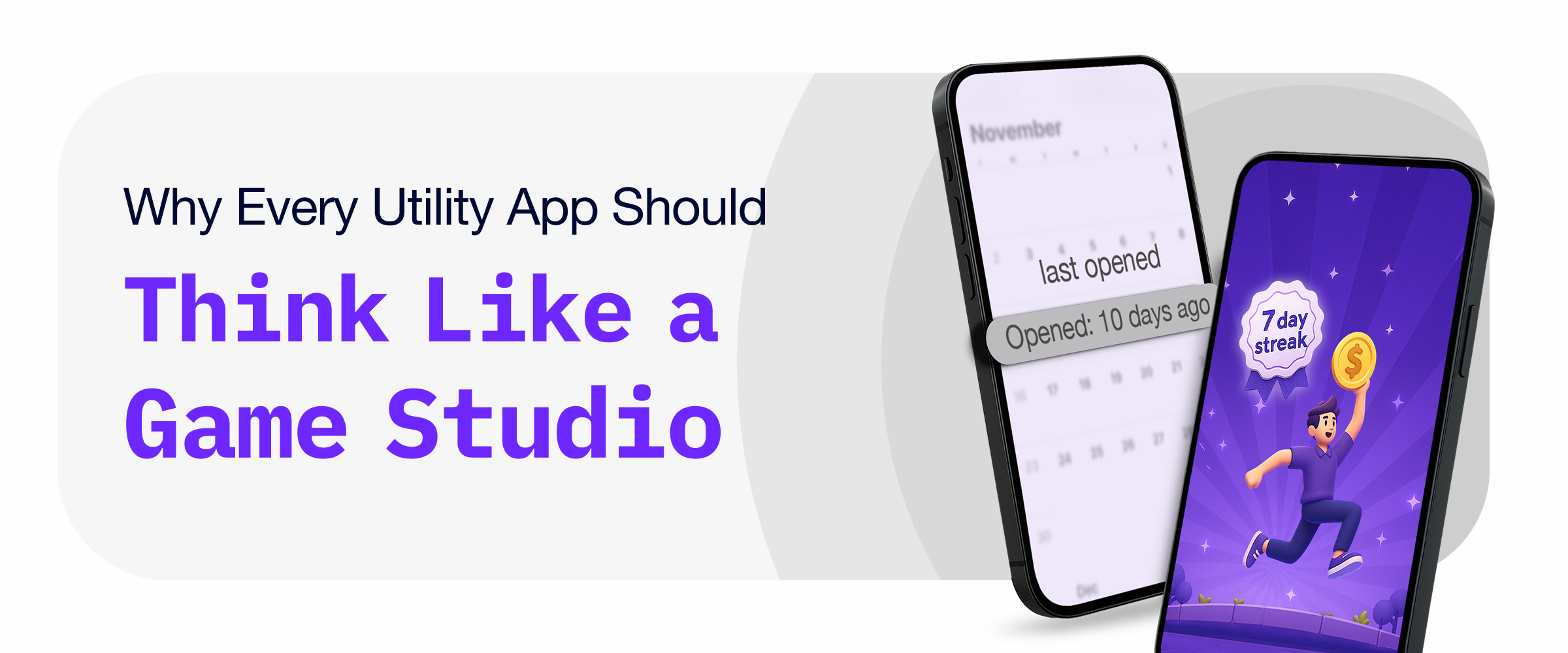
Nearly 70% of new app users stop using an app within three days of installing it. That number says more about design than attention spans.
Utility apps often lose users not because they lack value, but because they lack engagement. People open them to complete a task, then leave. Games, on the other hand, keep people coming back day after day -not through necessity, but through motivation.
That difference comes from how game studios think. They design around emotion, rhythm, and reward, while most utility apps focus on function and reliability. Combine those two mindsets, and you get products that are both practical and habit-forming.
Onboarding That Feels Like a First Win
The first few minutes define every digital experience. Game studios know this; they make those early actions effortless and satisfying. Players achieve something small, get feedback, and feel capable.
Utility apps too often start with friction: long forms, empty dashboards, or tutorials. Instead, onboarding should feel like success. Give users something tangible to do -complete a setup, save a preference, send their first request -and acknowledge it instantly.
That small moment of progress builds trust. It turns learning into doing, which is far more memorable.
Progress Is the Silent Hook
People are wired to respond to visible progress. Games use levels and achievements; utility apps can use feedback and clarity.
Think of a budgeting app that congratulates you for finishing your first month under budget -versus one that simply lists transactions. The difference isn't the data; it's the feeling of progress.
You can apply the same principle with small touches:
- A summary that shows time or money saved
- A message confirming all actions are complete
- A tracker that visualizes consistency over time
Progress, even when subtle, gives users a reason to return.
Personalization as a Form of Respect
Games adapt continuously they adjust to each player's pace and behaviour. Utility apps can echo that empathy in design.
Highlight frequently used actions. Offer relevant suggestions at the right moment. Reduce friction in processes users repeat often. Personalization doesn't require AI, it requires observation.
When users feel an app learns with them, not just from them, it stops feeling like software and starts feeling like support.
Keep the Experience Alive
A well-designed game evolves -not always through big updates, but through visible, thoughtful change. Small tweaks signal attention.
Utility apps often fade into the background because they don't show growth. Yet visible evolution reinforces reliability. A refreshed dashboard, improved flow, or smarter reminder communicates one thing: this product is alive and improving with you.
People stay loyal to tools that keep getting better.
Motivation Without Manipulation
Gamification works best when it aligns with purpose. Features like streaks or badges can motivate action -or backfire if they create pressure.
Utility apps exist to make real-world tasks easier. Their success depends on clarity, not compulsion. Any motivational design should serve that clarity.
If a feature doesn't make the task faster, clearer, or more satisfying, it doesn't belong. Respecting users' time is the most effective engagement strategy of all.
The Studio Mindset
To think like a game studio is to treat engagement as an ongoing design challenge -not a marketing one.
Studios test constantly, study every interaction, and iterate quickly. They see engagement as a rhythm: clarity → action → feedback → progress.
Utility app teams can borrow that rhythm. Track where users succeed, where they stall, and what keeps them coming back. Each insight is a new level in improving experience.
Good design isn't a launch; it's a loop.
In the End
Games and utility apps may serve different purposes, but they compete for the same attention. The difference lies in emotion -how a product makes people feel while they use it.
When your app gives users visible progress, personal relevance, and signals of ongoing care, it becomes part of their routine. It stops being a task and starts being a small, trusted part of everyday life.
How YieldSolutions Helps
At YieldSolutions, we partner with app publishers to maximise the value of their user base. We deliver monetisation tools, high-yield ad formats and optimised ad-stack strategies that turn ad inventory into revenue. We analyse where monetisation falls short, implement better ad formats and boost fill rates so that every install works harder.
More impressions turned into profit → more value from every app.
